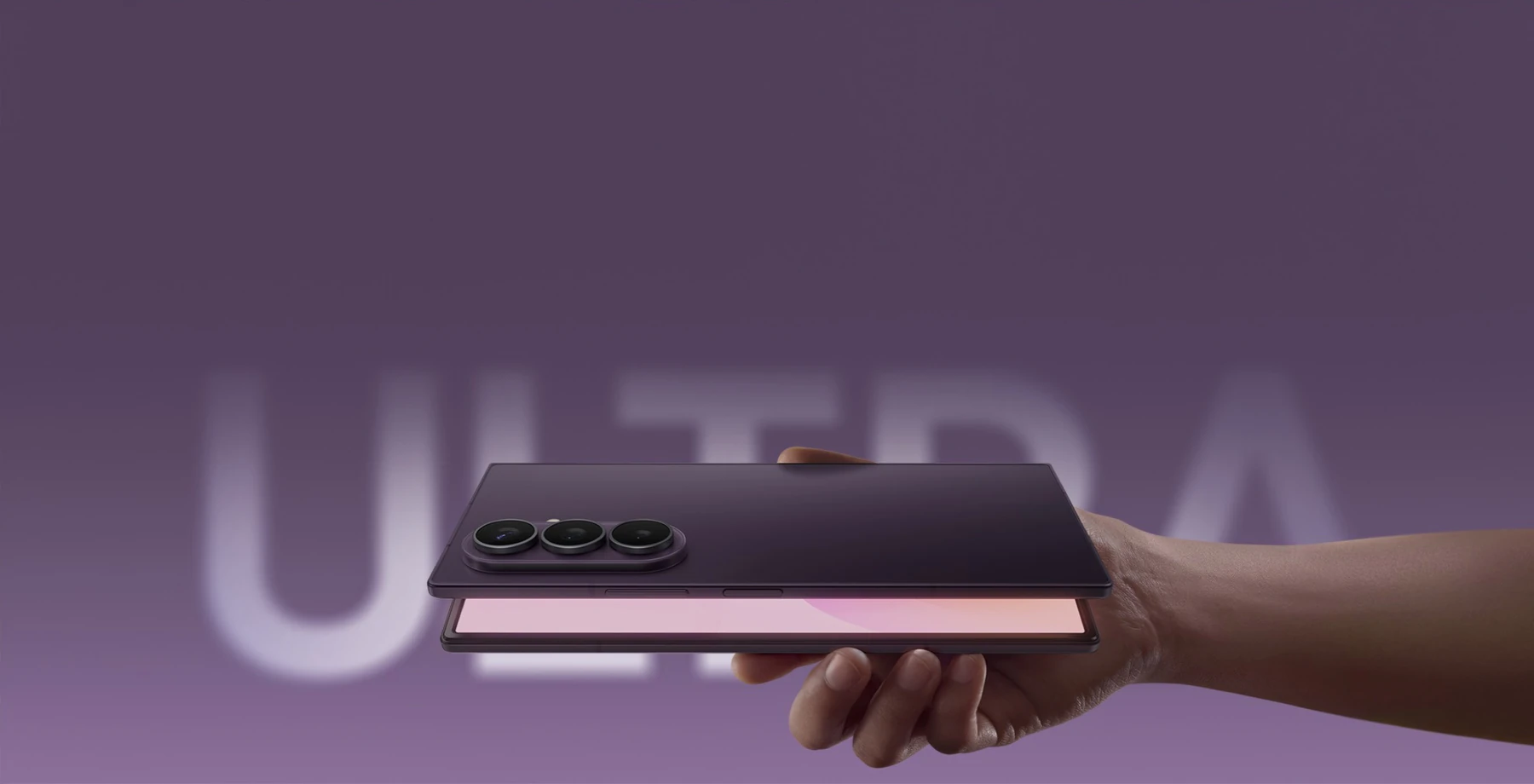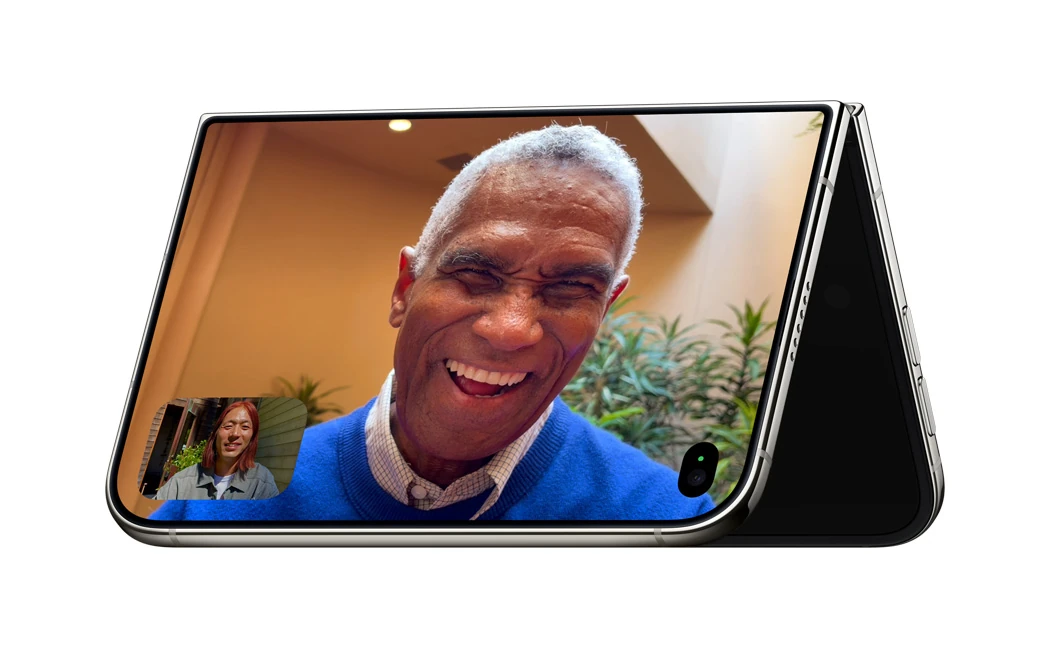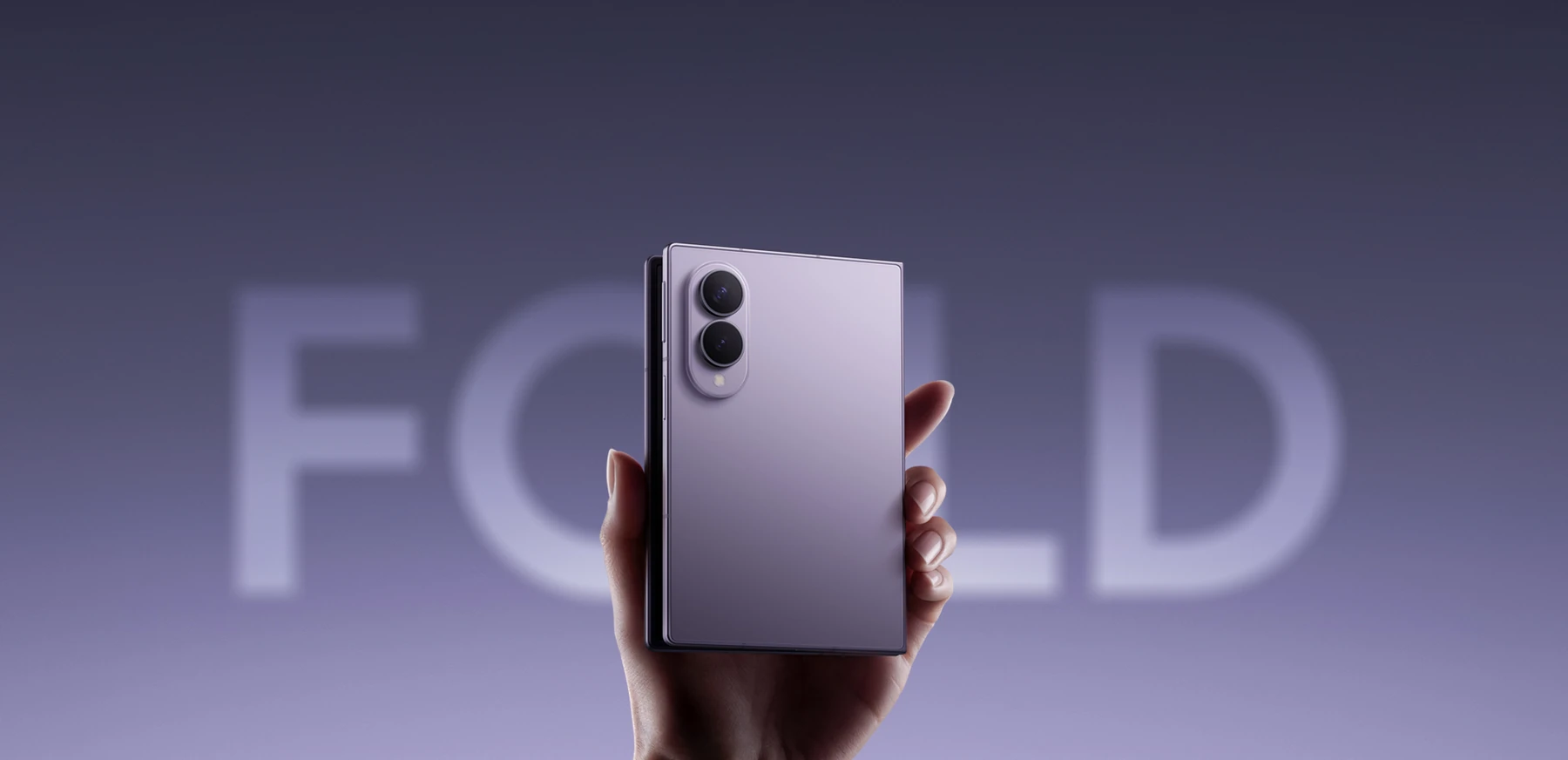
Samsung is evolving the proportions of its foldable smartphone with the Galaxy Z Fold8. While retaining a book-style design, this new model adopts a shorter, wider format—inspired by a passport—to better suit video consumption, reading, and navigation.
Design and Construction Details
The Galaxy Z Fold8 weighs 201 grams and measures 9.7 mm thick when closed and 4.5 mm when unfolded. Samsung utilized its Flex Titanium technology, which consists of two layers of titanium integrated into the structure beneath the foldable display to reinforce the panel. The opening mechanism also relies on a new Armor FlexHinge hinge.
Optimized Screen Proportions
The most noticeable changes concern the screen proportions. Internally, the 7.6-inch AMOLED display adopts a 4:3 ratio optimized for maximizing space during reading, browsing, or viewing content. Meanwhile, the external 5.5-inch screen transitions to a 10:16 ratio, making it more suitable for everyday usage while the smartphone remains closed.
Performance and AI Features
Powering this device is the Snapdragon 8 Elite Gen 5 for Galaxy. The hardware configuration includes versions featuring 256 GB or 512 GB of storage paired with 12 GB of RAM, and a higher-end 1 TB model which increases to 16 GB of RAM.
Samsung pairs this refined hardware with several advanced Galaxy AI functions. Photo Assist allows users to modify images using instructions formulated in natural language. Additionally, Nudge can suggest actions based on the context of a conversation, and My FanCam enables selecting a person in a video to generate a frame centered on that subject.
Camera System and Model Differentiation
The camera system features two 50 Mpx rear sensors: one wide-angle and one ultra-wide-angle. Unlike the Galaxy Z Fold8 Ultra, this specific model does not include a dedicated telephoto lens. Interestingly, it also allows the external screen to be used as a viewfinder for certain shots.
With this new format, Samsung further differentiates its two foldable models. The Galaxy Z Fold8 Ultra maintains its large 8-inch screen oriented toward multitasking, while the Fold8 specifically focuses on delivering a lighter device with proportions better designed for content consumption and entertainment.
The Galaxy Z Fold8 thus presents another way to utilize the foldable form factor by prioritizing lightness and dimensions suitable for both external display usage and optimized content viewing once the smartphone is opened.